Home Additions & ADU Construction

More Home
Same Address

The Space you need is already on your lot! Your lot has more potential than you’re using. A room addition gives your family the space to stop bumping into each other. An ADU generates $1,200–$2,200 a month in rental income — from a structure you already own the land for. RainFire Builders designs and builds every type of addition and accessory dwelling unit across Utah, from permit through certificate of occupancy, with the structural expertise and interior trade depth to deliver a finished product worthy of your investment.

PLAN MY ADDITION OR ADU

EXPLORE OUR SERVICES

OUR ADDITIONS & ADU SERVICES
  • Room Additions

  • Second Story Additions

  • Detached ADUs

  • Attached ADUs

  • Garage-to-ADU Conversion

  • Basement ADU Conversion

  • Muilt-Gen In-Law Suites

  • Sunroom & Four-Season Rooms

  • Garage Additions

  • Commercial Space Additions

100%

Licensed & Insured

7+

Counties Served

15+

Years in Utah

500+

Projects Delivered

POTENTIAL INCOME FROM AN ADU BUILD

The Space You Need is
Already Yours Today

Most Utah homeowners who outgrow their homes don’t actually need a new home. They need more of what they already have. The lot they own. The neighborhood they know. The equity they’ve already built. Adding square footage — whether through a room addition, a second story, or an accessory dwelling unit — is almost always cheaper than selling, paying transaction costs, and buying bigger elsewhere.

And for ADU owners, there’s a dimension beyond space: income. A well-built ADU on a Wasatch Front lot generates $1,200–$2,200 per month in long-term rental income — creating a passive income stream from an asset you already own the ground for. Utah’s 2023 ADU legislation removed most of the municipal barriers that previously kept homeowners from accessing this opportunity. The window is open.

$1,600

Avg. Monthly Additional Dwelling Unit Rent, Wasatch Front 2025

8 Yrs

Typical ADU Cost Payback Period at Average Rate of Rent

70%

Average Resale Return On Investment – Room Additions

2023

Utah ADU Law – Statewide rights expanded

OUR ADDITION & ADU SERVICES

TEN WAYS TO GROW –
WHERE YOU ALREADY ARE

From a single-room addition to a fully equipped detached ADU generating monthly rental income, RainFire Builders builds every type of expansion with the structural precision, permit expertise, and interior trade depth to deliver a finished result that looks and performs like it was always part of the home.
Recruitment Executive Search

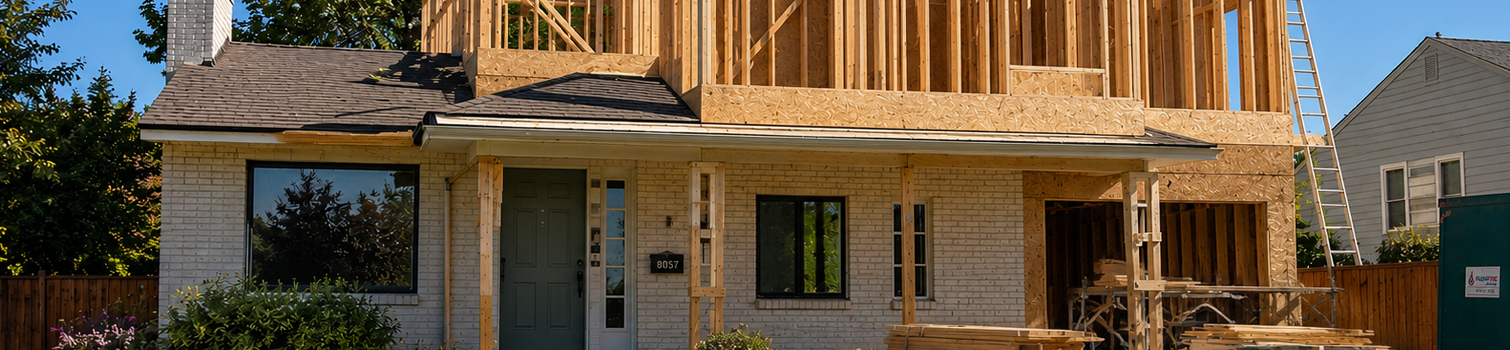
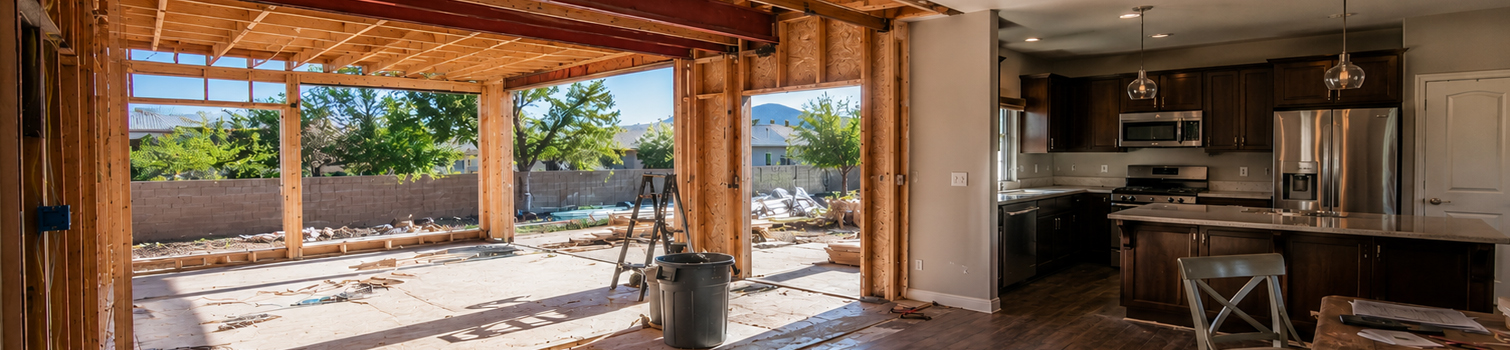
The bedroom your family has outgrown. The home office your career demands. The family room that would change how you use your entire main floor. Room additions are the most direct answer to the question of space — new square footage added to your existing home, structurally integrated so it performs and looks like it was always there. RainFire Builders manages room additions as a complete scope: foundation, framing, exterior envelope, MEP rough-in, and finish-out to match your existing home’s interior language.

  • Primary bedroom and bath additions
  • Family room and great room expansions
  • Home office dedicated room additions
  • Foundation, framing, and structural engineering
  • Exterior finish match — siding, roofline, windows
  • All MEP and interior finishes to current code

How much does a room addition cost in Utah?”

Room additions in Utah typically cost $200–$350 per square foot, fully finished, depending on room type, foundation requirements, and finish level. A 400 sq ft family room addition runs $80,000–$140,000. A primary bedroom and bath addition with quality finishes typically runs $120,000–$220,000. RainFire Builders provides detailed pre-construction estimates covering every line item before any work begins.

When your lot is already built out and you need significantly more space, the only direction left is up. A second-story addition is one of the most transformative projects in residential construction — doubling the livable area of a single-story home without expanding the footprint. RainFire Builders manages the complete structural analysis, roof system removal, second-floor framing, and interior finish scope for second-story additions — including the main-floor reconfiguration needed to add a proper staircase and integrate the new level with how the home already lives.

  • Structural analysis of the existing foundation and walls
  • Full and partial second-story configurations
  • Staircase design and main floor integration
  • New roof system with matching exterior aesthetic
  • Bedrooms, bathrooms, lofts, and flex space
  • Temporary weatherproofing during the open roof phase

How much does a second-story addition cost in Utah?”

A full second-story addition in Utah runs $250–$450 per square foot of added living space. A 1,200 sq ft second-story, fully finished space typically runs $300,000–$540,000, depending on finish level and structural complexity. Partial second stories added over a garage or one wing are often more cost-effective per square foot than full additions.

Recruitment Executive Search

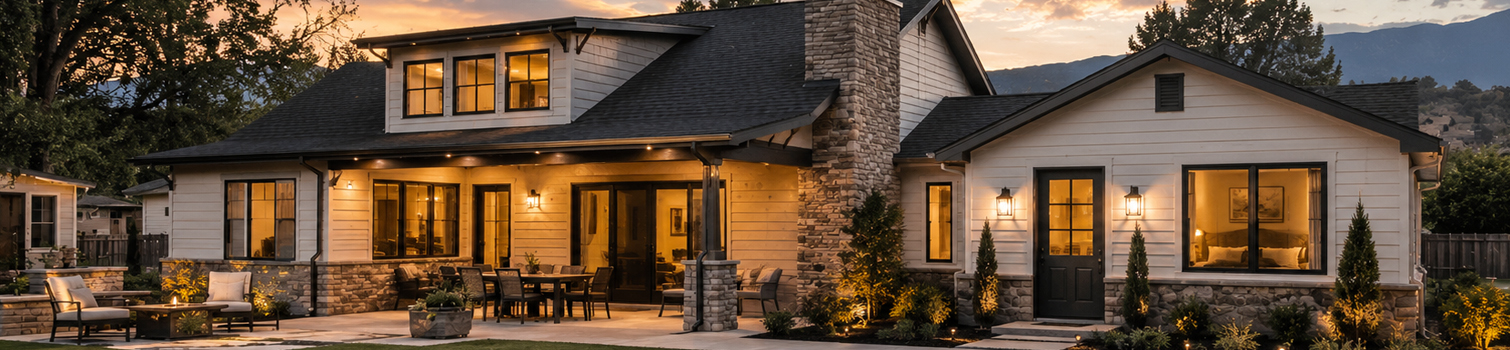
A detached ADU — a standalone dwelling unit on your existing lot — is the single highest-income potential addition available to most Utah homeowners. At current Wasatch Front rental rates, a well-finished detached ADU pays itself back in 7–10 years and generates income indefinitely. Independent from the main home in both structure and utilities, it offers maximum privacy for both the homeowner and the tenant — making it equally suited for long-term rental, short-term rental, or housing an adult child or aging parent who values their independence.

  • New foundation, framing, and complete structure
  • Independent utilities — electrical panel, plumbing service, gas
  • Full kitchen, bathroom, bedroom, and living areas
  • Separate entrance, private outdoor space
  • Designed to meet the municipality’s ADU size and setback requirements
  • Solar and EV charger rough-in available

What is the maximum size for a detached ADU in Utah?”

Under Utah’s HB 82, municipalities may set ADU size limits but cannot make them so restrictive as to effectively prohibit ADU construction. Most Wasatch Front municipalities allow detached ADUs up to 50% of the primary dwelling square footage or an absolute maximum of 800–1,000 sq ft. RainFire Builders verifies the specific maximum for your municipality before designing the unit so you capture the full permitted square footage.

An attached ADU is physically connected to the primary dwelling — sharing a wall or a roofline — but has its own entrance, kitchen, bathroom, and living space. It delivers most of the functionality and income potential of a detached ADU at somewhat lower construction cost by sharing foundation and structural elements with the existing home. For homeowners who want a rental unit with proximity to family or want to eventually convert the unit for multi-generational use, an attached ADU offers the most flexibility over time.

  • Addition-style construction with shared structural elements
  • Completely separate entrance — no shared interior access
  • Independent kitchen, bath, and living facilities
  • Separate electrical sub-panel and utility metering
  • Sound-rated party wall assembly between units
  • Designed for both rental and multi-generational use

Can an attached ADU share utilities with the main home?”

An attached ADU can share the main home’s utility service connections with a sub-panel and sub-metered utilities for the ADU. This simplifies the build and reduces utility connection fees. However, if you plan to rent to a tenant who pays their own utilities, separate metering is recommended. RainFire Builders designs utility configurations around the intended use of the unit at the time of construction.

Recruitment Executive Search

Your garage already has walls, a roof, a foundation, and usually electrical service. Converting it into a legal dwelling unit — a Junior ADU (JADU) of up to 500 sq ft, or a full ADU if the garage is large enough — captures the highest value of any existing structure on your lot at the lowest construction cost per square foot. RainFire Builders specializes in garage-to-ADU conversions that look nothing like a garage: proper insulation, drywall finishes, full kitchen and bath, and natural light through properly permitted window and door modifications.

  • Insulation upgrade — walls, ceiling, and slab
  • Window and egress door installation
  • Full kitchen, bathroom, and living area buildout
  • Mini-split HVAC for independent climate control
  • Electrical panel and utility upgrade for dwelling use
  • Garage door removal or conversion to living facade

What is the difference between a JADU and a full ADU in Utah?”

A Junior ADU (JADU) is an accessory unit up to 500 sq ft created within the existing primary structure — typically a converted garage — that may share an entryway with the main home. A full ADU must have a fully independent entrance and is not subject to the 500 sq ft JADU size cap. Under Utah HB 82, both JADUs and full ADUs are permitted on virtually all single-family lots.

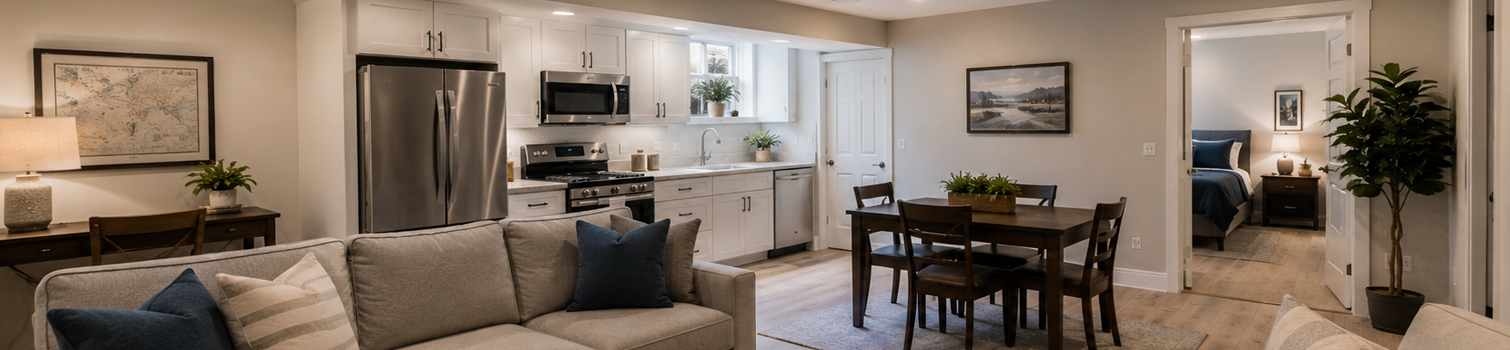
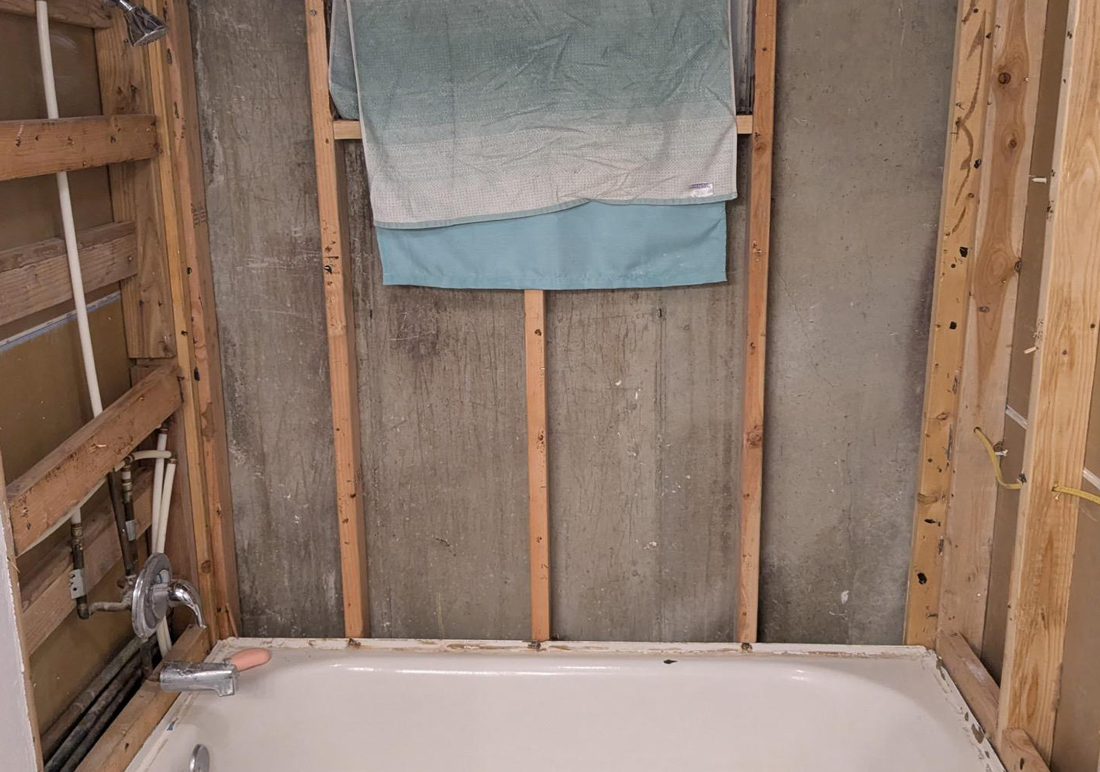
Most Utah homes have an unfinished basement sitting on a paid-off foundation. That square footage — already inside your property line, already under your roof — is the lowest-cost path to a legal rental unit on the Wasatch Front. Converting an unfinished basement into a code-compliant ADU requires egress windows (mandatory for legal bedrooms in Utah), a separate exterior entrance, a full kitchen and bath rough-in, and the same code compliance as any new dwelling unit. RainFire Builders converts Utah basements into income-generating ADUs that look, feel, and function like finished apartments.

  • Egress window installation for legal sleeping rooms
  • Separate exterior entrance — walk-out or exterior stair
  • Full kitchen rough-in and finish
  • Bathroom — from new rough-in to finished tile
  • Independent HVAC zone and electrical sub-panel
  • Sound attenuation between floors — acoustic insulation and resilient channel

What makes a Utah basement legally rentable as a dwelling unit?”

To be rented as a legal dwelling unit, a Utah basement ADU must have: at least one egress window meeting IRC minimum size requirements (minimum 5.7 sq ft net opening, 24″ minimum height, 20″ minimum width), a separate exterior entrance independent from the main living space, a complete kitchen with sink, cooking appliance, and refrigeration, a full bathroom, adequate heating, and smoke and CO detectors. All of these require permits and inspections. RainFire Builders handles the complete compliance scope from permit application through certificate of occupancy.

Recruitment Executive Search

Utah has one of the strongest cultures of multi-generational living in the country — and one of the most housing-stressed markets, where aging parents moving in with adult children is increasingly an economic and caregiving necessity. A well-designed in-law suite gives aging parents the dignity of independent living while keeping the family close. It gives adult children the security of knowing parents are near. And it gives the property flexible use — because a suite built for a parent today can become a rental unit tomorrow.

  • Dedicated entrance with privacy from the main home
  • Bedroom, bathroom, kitchenette, or full kitchen
  • Accessibility design — wider doorways, grab bars, curbless shower
  • Private outdoor space where the lot allows
  • Independent climate control and electrical sub-panel
  • Convertible to a rental ADU with minimal modification

What is the difference between an in-law suite and an ADU in Utah?”

An in-law suite is typically designed for family use — it may share some systems with the main home. A legal ADU is a fully permitted, code-compliant dwelling unit that can be rented to non-family members. RainFire Builders builds in-law suites to full ADU code standards by default — so the unit remains legally rentable if the family’s needs change. The incremental cost of building to ADU standards versus in-law suite standards is modest; the future flexibility is significant.

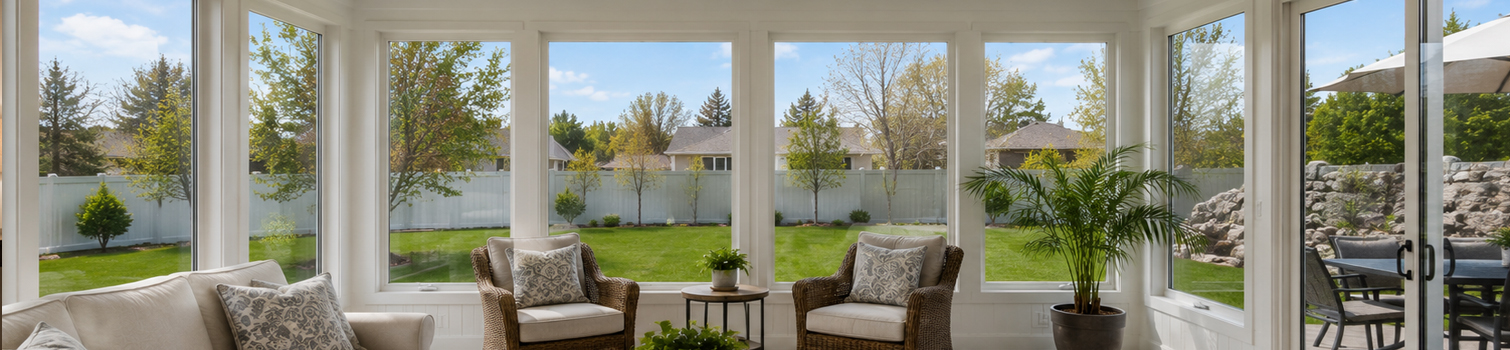
Utah averages more than 300 sunny days a year — and most homes have exactly zero rooms designed to take advantage of that. A sunroom or four-season addition captures the light and views that Utah’s climate offers while adding conditioned square footage you can use every month of the year. Three-season rooms bridge the gap between inside and outside in spring and fall. Four-season rooms — fully insulated, HVAC-connected, and built to the same code as the rest of the home — are a real living space that appears on the appraisal and adds directly to the home’s value.

  • Three-season and four-season room configurations
  • Structural addition with engineered foundation
  • Thermally broken aluminum or wood framing systems
  • Large-format glazing for mountain view framing
  • HVAC extension or mini-split conditioning
  • Tile, polished concrete, or hardwood flooring options

What is the difference between a three-season room and a four-season room?”

A three-season room is not insulated or HVAC-conditioned — comfortable in spring, summer, and fall but too cold for comfortable use in Utah’s winters. A four-season room is fully insulated, heated, and cooled — it functions as conditioned living space year-round and counts toward the home’s square footage in an appraisal. The construction cost difference is approximately 25–40% — well worth it in Utah’s climate.

Recruitment Executive Search

Utah winters are hard on vehicles. And Utah families accumulate gear — ski equipment, mountain bikes, e-bikes, camping supplies, and the tools it takes to maintain a Wasatch Front home. A garage addition gives your vehicles the protection they need, your hobbies the storage they demand, and your home the utility value that appraisers and buyers consistently reward. RainFire Builders builds attached and detached garages as complete, permitted structures — with the option to wire and plumb for future ADU conversion if circumstances change.

  • Attached and detached garage configurations
  • 1-, 2-, 3-, and 4-car configurations
  • Full electrical — lighting, outlets, 240V EV charging
  • Insulated walls and attic for year-round functionality
  • Heated garage options — radiant or forced air
  • ADU-conversion rough-in available for future flexibility

Can I build a garage and plan to convert it to an ADU later?”

Yes — and if you’re building a garage in Utah, it is strongly worth discussing this with RainFire Builders before construction begins. Roughing in the electrical, plumbing, and insulation specifications for future ADU conversion adds relatively modest cost to a garage build — typically $8,000–$18,000 — versus the cost of retrofitting those elements after the structure is complete. If there is any chance you’ll want an ADU in the next decade, plan for it now while the walls are open.

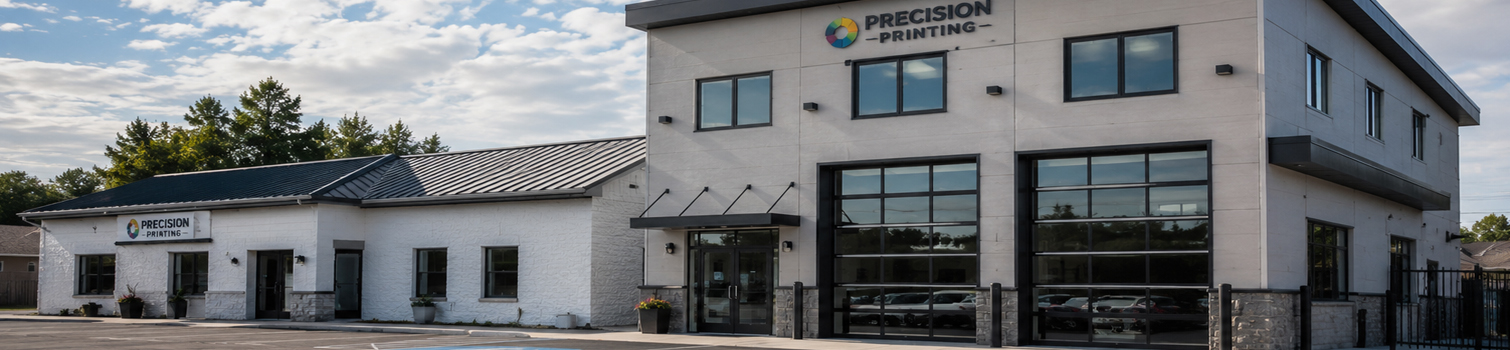
Utah’s rapidly growing commercial real estate market — particularly in Lehi’s Silicon Slopes corridor and along the Wasatch Front — has created strong demand for commercial space additions. Businesses that have outgrown their current footprint face a choice: move and absorb significant transition costs, or add square footage to the building they already own. RainFire Builders builds commercial additions to existing office buildings, retail spaces, and mixed-use structures — expanding usable square footage while maintaining business continuity in the existing space throughout construction.

  • Office building additions and horizontal expansions
  • Second-floor additions over existing commercial structures
  • IBC code compliance for commercial construction
  • Phased construction to maintain occupied building operations
  • ADA accessibility integration for new square footage
  • Commercial MEP systems — electrical, HVAC, plumbing

Can a commercial addition be built while the existing building remains occupied?”

Yes — most commercial additions can be phased to maintain occupancy in the existing structure throughout construction. The addition structure is built and weathertight before any penetrations are made between the existing and new portions, and the connection phase is managed in brief, planned outages. RainFire Builders develops a business continuity plan alongside the construction schedule for every occupied commercial addition project.

FROM IDEA TO INCOME

The RainFire Additions & ADU Process

Additions and ADUs are more permit-intensive than interior remodels — and more site-dependent than new construction on a blank lot. Our process handles both complexities so you don’t have to.

Utah ADU Law Experts

We track HB 82 implementation in every municipality we serve — so you get an accurate picture of what you can actually build, not what was possible two years ago.

10+ Trades, One Team

A complete ADU requires every interior trade. Self-performing all ten in-house means one schedule, one accountability, and one warranty across the entire scope.

why utah homeowners choose rainfire builders for additions & adus

Adding to an existing home is more complex than new construction on a blank lot. The new structure has to connect cleanly to what already exists — structurally, aesthetically, and mechanically. The permit process is more nuanced. The construction sequence is more constrained. Contractors who are competent on blank-lot builds aren’t always competent on infill additions.

RainFire Builders has extensive experience with the specific challenges of additions and ADUs on developed Utah lots: navigating HB 82 compliance with local municipalities that are still adapting to the new law, matching exterior finishes to existing homes across a decade of material changes, integrating new MEP systems with existing infrastructure, and building on challenging sites with limited access and tight setbacks.

We also self-perform all ten interior trades in-house. That matters especially for ADUs, where a complete dwelling unit requires framing, drywall, flooring, painting, trim, cabinetry, plumbing, electrical, HVAC, and insulation — all coordinated on a single schedule, all accountable to the same project manager, all under the same warranty.

  • Utah HB 82 expertise — we know what’s possible under current law in every municipality we serve

  • Complete permit management — applications, plan check responses, inspection scheduling

  • All ten interior trades are self-performed in-house — no coordination gaps, no unknown subcontractors

  • Free on-site ADU feasibility assessments — know what you can build before you commit

  • Occupied-home construction protocols — your life stays livable during the build

  • Written workmanship warranty covering the complete addition scope

Feasibility First

Before any design dollar is spent, we assess what your lot allows. Honest feasibility saves clients from expensive design work on projects that can’t be permitted as drawn.

Income-Optimized Design

ADU layouts are designed for the rental market — efficient, functional floor plans that rent quickly and hold quality tenants, not just configurations that fit the permitting envelope.

Passionate – Dedicated – Professional

MARKETS WE BUILD ACROSS UTAH

RainFire Builders operates across every major Utah market — from the urban Wasatch Front to resort mountain communities — with the local permit knowledge and trade relationships each market demands.

Detailed – Dedicated – Professional

our latest projects

See what projects we have done for others in your
same situation, with the sources we have at our call
YOUR LOT HAS MORE POTENTIAL THAN YOU’RE USING

The Income You’re Not Making Starts with One Call

A detached ADU in your backyard can generate $1,600/month. A basement conversion can fund its own mortgage payment. A room addition stops the daily frustration of a home that’s outgrown your family. Every month you wait is a month of income you didn’t collect, a month of space you didn’t have, or a month of living in a home that doesn’t fit your life. RainFire Builders offers free on-site feasibility assessments — we’ll tell you exactly what you can build, what it will cost, and what it will earn. No obligation, no pressure. Just the facts you need to make the decision.

REQUEST A FREE FEASIBILITY ASSESSMENT

CALL (385)336-7246